The Early Days of Steam-Powered River Travel
Before steamboats, travel by water was slow and often limited by the direction of the current, as moving upstream required significant time and physical effort.
Steam power revolutionized movement along America's rivers by making upstream journeys faster, more reliable, and less dependent on natural conditions. As these vessels became more common, inland waterways developed into vital transportation routes that supported trade, travel, and the expansion of communities across the country.
The Rise of Paddlewheel Steamboats on America's Rivers
During the 19th century, paddlewheel steamboats became a common sight on major waterways, including the Mississippi and Ohio Rivers. They carried passengers, mail, agricultural products, manufactured goods, and other cargo between growing towns and cities.
By connecting communities, these boats strengthened regional economies and supported westward expansion. Their ability to move both people and freight efficiently made them an essential part of the nation's transportation network.

The Golden Age of the American Steamboat
The mid-1800s marked the height of paddlewheel travel. As competition grew among steamboat lines, many vessels evolved beyond transportation, featuring ornate interiors, spacious decks, and comfortable accommodations that made the journey as enjoyable as the destination.
Passengers dined together, listened to live music, socialized in shared spaces, and admired the scenery along the way, experiences that continue to define the elegance of river cruising.
Paddlewheel Steamboats and the Mississippi River
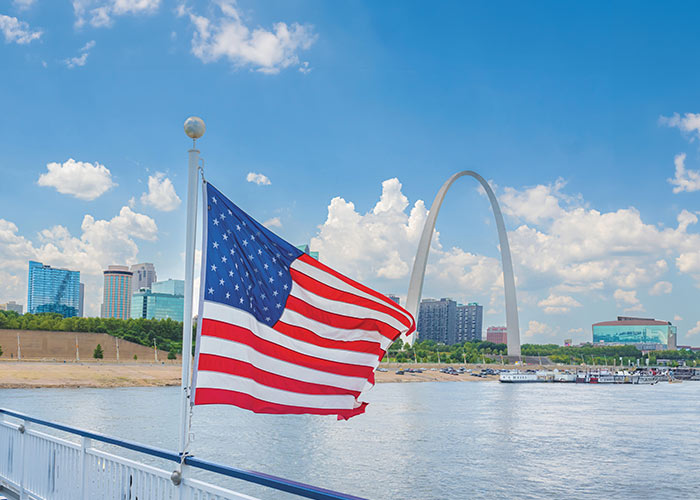
No waterway is more closely associated with paddlewheel steamboats than the Mississippi River. Cities such as New Orleans, Memphis, and St. Louis flourished as transportation and trade centers, while cargo including cotton, grain, timber, and livestock moved throughout the region. The Mississippi River remains the most iconic destination for travelers looking to experience this enduring tradition.

Life Aboard a Historic Steamboat
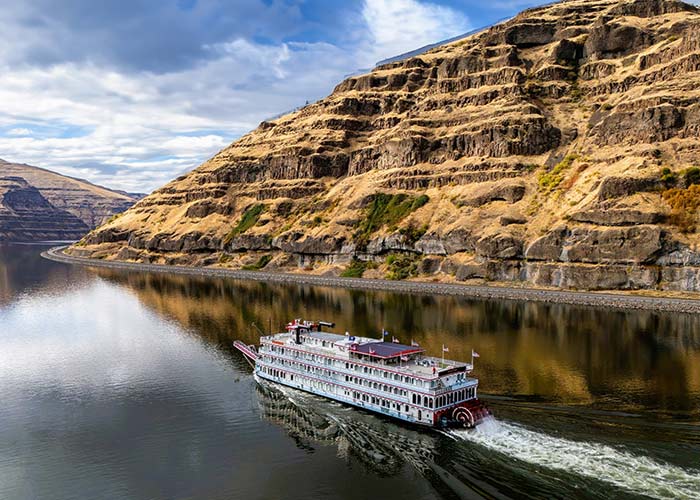
Life aboard a historic paddlewheel steamboat blended transportation with entertainment and relaxation. Passengers enjoyed regional dining, live music, scenic views, and welcoming social spaces while traveling between ports on multi-day adventures. Experiences varied by route and ticket class, with some travelers enjoying more spacious accommodations and additional amenities.
Why Paddlewheel Steamboats Declined
As railroads, improved highways, and modern shipping expanded across the country, paddlewheel steamboats gradually gave way to faster, more efficient forms of transportation. As travel and commerce evolved, these once-essential vessels became less practical for moving passengers and freight.
Historic paddlewheel steamboats continue to play an important role in tourism and preservation, offering visitors a chance to experience America's river heritage while helping keep the history and traditions of these iconic vessels alive.
The Legacy of Paddlewheel Steamboats Today
Although no longer essential for transportation, paddlewheel steamboats remain enduring symbols of America's maritime heritage. Museums, preserved vessels, and river communities continue to celebrate their story, while modern-day paddlewheel cruises allow travelers to experience the legacy of these iconic vessels firsthand.
Experience America's Rivers with American Cruise Lines
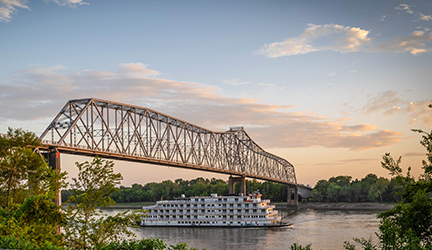
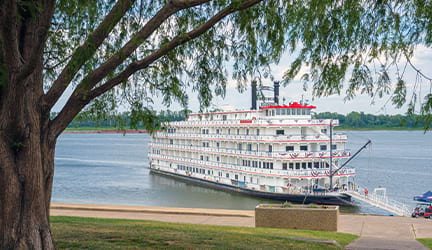
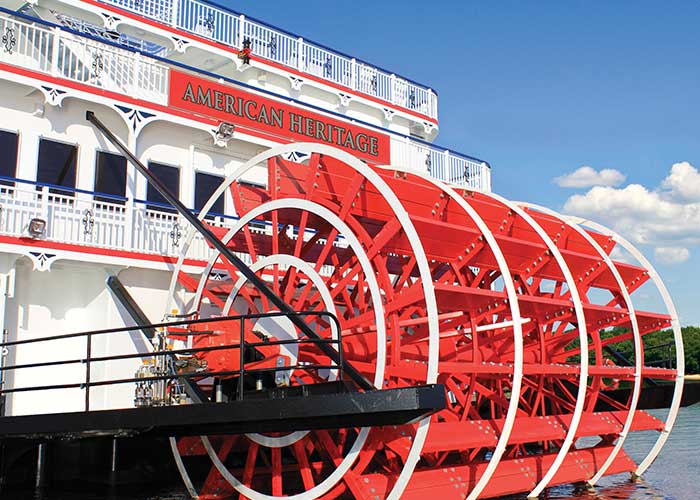
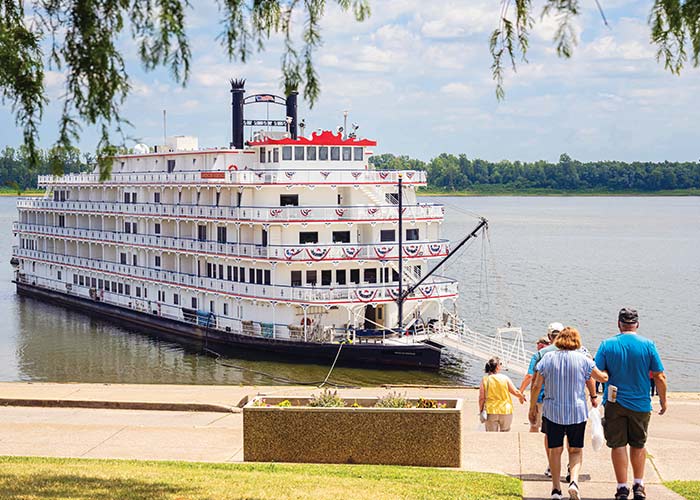
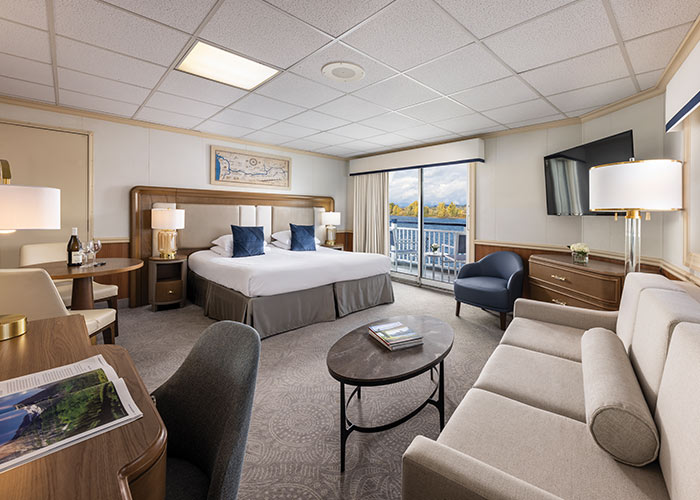
Today, American Cruise Lines honors these traditions aboard our modern-day paddlewheelers, inspired by the iconic steamboats that once traveled America's rivers. Guests enjoy the charm of historic river travel alongside personalized service, engaging entertainment, world-class cuisine, and spacious accommodations.
Explore the country’s most celebrated waterways, including the Mississippi and the Columbia and Snake Rivers, while discovering iconic port cities, regional culture, and fascinating stories through enriching onboard programs.
Our fleet of Mississippi River paddlewheelers honors this legacy, giving guests the opportunity to experience the spirit of historic river travel while creating new memories along America’s waterways.
Browse Paddlewheel Cruises
Discover the history, scenery, and nostalgic appeal of America's legendary rivers aboard a paddlewheel-inspired voyage. From the Tennessee, Cumberland, and Ohio Rivers, every itinerary offers a unique opportunity to explore notable destinations while enjoying the comforts of modern small ship cruising.
Explore our Paddlewheel Cruises and experience the timeless tradition of American river cruising aboard the nation’s leading small ship cruise line.
Request A Free Cruise Guide
Our cruise guide provides an in-depth look at the amazing U.S. ports and destinations we visit, our modern fleet of riverboats, excursions and adventures on shore, our onboard amenities and personalized services, and more.
Request Free Cruise Guide